The types of dentures, from Kemeny and cobalt-chrome partials to full dentures, how to get used to them and look after them, who can have fixed teeth on implants, how long it takes and what it costs.
What types of dentures are there?
Dentures replace one, several or all of the teeth in an arch. Some are taken out and put back in every day, others are fixed onto implants. The choice depends on how many teeth you have left, their condition, the bone and your budget.
Acrylic partial denture
A pink acrylic base with artificial teeth, held onto the remaining teeth with wire clasps. It is quick to make and inexpensive, but it is thicker and covers more of the gum and, in the upper jaw, more of the roof of the mouth. It is often used as a transitional solution.
Kemeny denture
A small acrylic denture for one or two missing teeth, used as a temporary solution, for example while an implant is integrating.
Cobalt-chrome partial denture
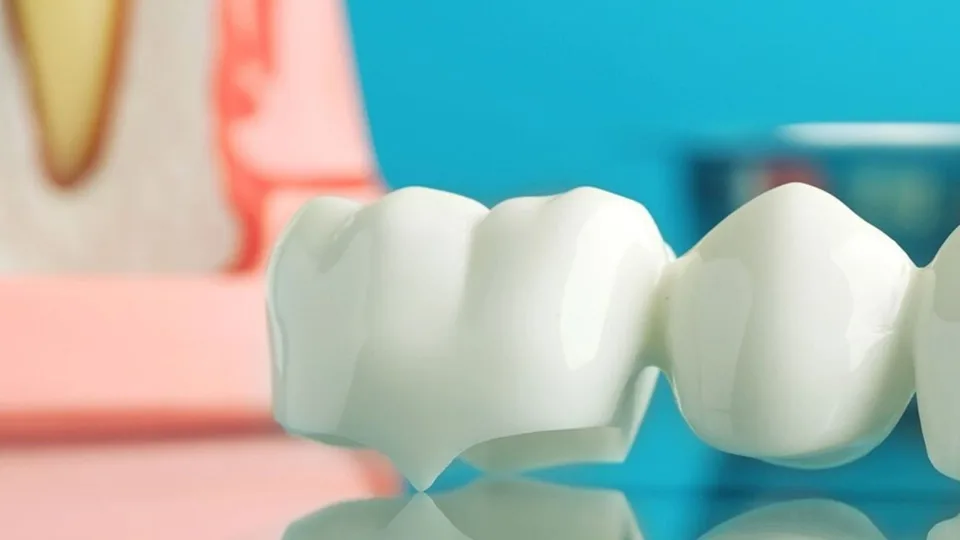
It has a fine metal framework and is held onto the remaining teeth with metal clasps. It is thinner, more stable and more comfortable than an acrylic one, and the chewing force is shared between the teeth and the gum. It needs healthy supporting teeth.
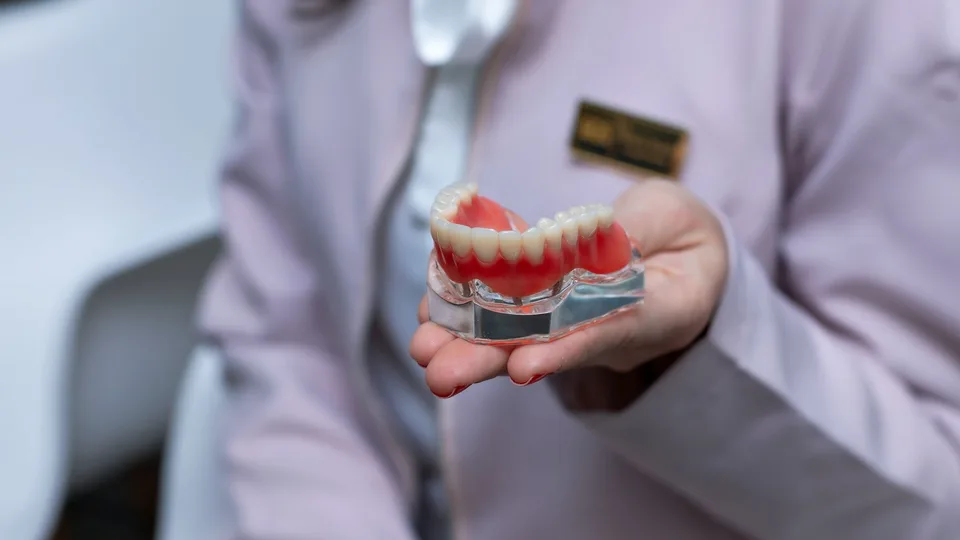
Full acrylic denture
For arches with no teeth left at all. The upper one is held in place by suction against the roof of the mouth; the lower one has less support, and the tongue and cheeks move it more easily.
Fixed implant-supported denture
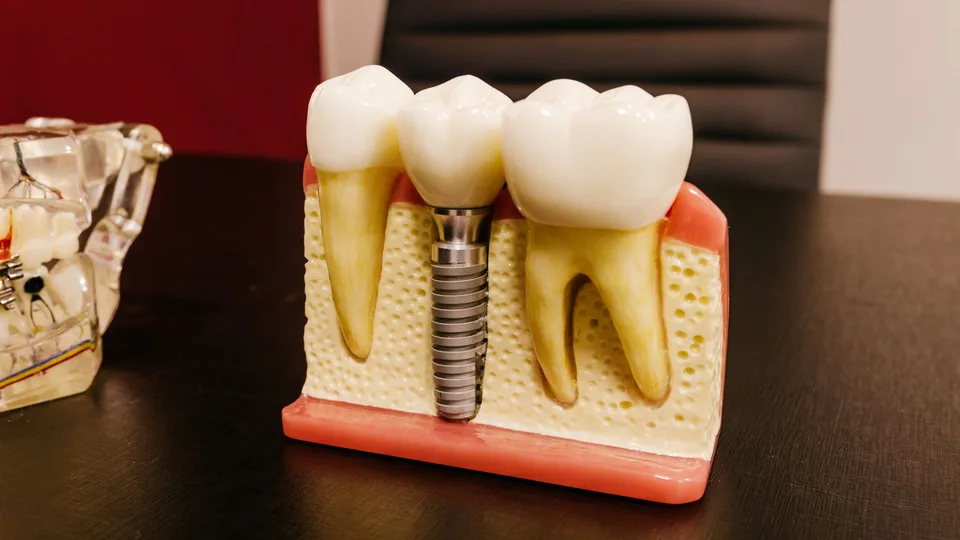
A fixed restoration, like a bridge, screwed onto 4 to 6 implants per arch, which isn't taken out at home and doesn't cover the roof of the mouth. It is often known as “All-on-4” or “All-on-6”, after the number of implants.
Removable or fixed dentures: the day-to-day differences
- Stability. A removable denture can move when you chew or speak, especially a full lower denture; denture adhesives help. A fixed one stays put.
- Chewing. With a removable denture you chew less efficiently; with fixed teeth on implants you eat almost normally.
- Taste and the sensation of heat can be dulled by a full upper denture, which covers the roof of the mouth; a fixed one leaves it free.
- The bone. Without teeth, the bone gradually shrinks, and a removable denture needs adjusting from time to time. Implants load the bone and slow the shrinkage down.
- Time and cost. A removable denture is ready in a few weeks and costs much less; a fixed one needs a procedure, a few months and a bigger budget.
A removable denture can also be a stage along the way: you wear it now and have implants placed later.
How to get used to a new denture
The first few days are the hardest, and that's normal. Your mouth produces more saliva, some sounds, such as “s” and “sh”, come out differently, and the denture may press on the gum in a few places. Wear it during the day, read aloud for a few minutes and start with soft food cut into small pieces, chewing on both sides at once. If it hurts you in one spot, don't adjust it yourself: an adjustment at the clinic takes a few minutes. Most patients get used to it within two to four weeks; a full lower denture needs more patience. With fixed teeth on implants, adapting is much quicker.
Caring for and relining your denture
- rinse the denture after every meal and brush it every day with a soft brush and soap or a denture cleaner, not toothpaste, which scratches the acrylic;
- take a removable denture out at night, so your gums can rest, and keep it in water or in a cleaning solution;
- avoid hot water, which can warp the acrylic, and bleach;
- fixed teeth on implants also need cleaning underneath every day, with a water flosser or interdental brushes, and a check-up and professional cleaning every 6 months.
Over time, the gum and bone under a removable denture change, and the denture starts to move or rub. Relining adds a new layer of acrylic on the side facing the gum, so the denture fits snugly again; it is usually needed every one or two years.
Fixed teeth on implants: who is a candidate
This solution suits people who have lost all the teeth in an arch or whose remaining teeth can no longer be saved, for example because of advanced gum disease. What matters is having enough bone for 4 to 6 implants (or agreeing to bone grafting or a sinus lift), being healthy enough for the procedure, with diabetes under control, and being willing to clean under the restoration every day. Smoking slows healing. Age is not a limit in itself, but some osteoporosis treatments and radiotherapy to the head area need careful discussion beforehand.
How long it takes to get fixed teeth
Implants need about 3 months to integrate with the bone. In the meantime you usually wear a temporary removable denture. Sometimes, but only if the bone allows it and the implants are stable enough from the moment they are placed, a temporary fixed denture can be fitted earlier; this is discussed at the consultation, after the necessary scans, but it can't be promised in advance. Once the implants have integrated, the permanent fixed denture is made over a few visits. With bone grafting or a sinus lift, treatment takes longer.
How much do dentures cost?
| Type of denture | Price |
|---|---|
| Kemeny denture | 500 lei |
| Acrylic partial denture, per arch | 1,500 lei |
| Full acrylic dentures, upper + lower | 2,800 lei |
| Cobalt-chrome partial denture, per arch | 4,500 lei |
| Denture relining / repair | 400 lei |
| Fixed denture on implants, per arch | 14,000 lei |
| Implant placement (Israel, Korea), per implant | 2,250 lei |
| Implant placement (Germany, Switzerland, Italy), per implant | 3,400 lei |
| Internal / external sinus lift | 1,500 / 2,700 lei |
The price of a fixed denture on implants for one arch is roughly calculated as follows: the denture, 14,000 lei, plus 4 implants × 2,250 lei = 9,000 lei, making 23,000 lei. With 6 implants, the total becomes 14,000 + 13,500 = 27,500 lei. Bone grafting, a sinus lift or extractions, if needed, are added. You receive the exact price in your written plan, after the consultation.
Frequently asked questions
How long do dentures last?
A removable denture usually lasts 5 to 7 years, with relines along the way, because the gum and bone change. With fixed teeth on implants, the implants can stay for life, and the restoration on them is remade, if needed, after many years.
Can I eat anything with dentures?
With a removable denture, very hard or sticky foods remain difficult, and large pieces need cutting up small. With fixed teeth on implants you eat almost normally.
Can people tell I'm wearing a denture?
A well-made denture, with teeth chosen to suit the shape of your face and your skin tone, doesn't draw attention when you smile. With partial dentures the clasps can sometimes show, which is why we position them as discreetly as possible.
What should I do if my denture breaks?
Don't glue it yourself with household adhesives. Bring it to the clinic with all the pieces: in most cases it can be repaired, and a repair costs 400 lei.